

SOCIAL CONTEXTS
Separation, Divorce and Out-of-Home Care
A. Understanding the Context
Social contexts involve relationships, family structures, social networks and the degree of connection or isolation experienced by children and families. Two relevant circumstances are separated or divorced families and foster or kinship-care families.
Children whose parents separate may live primarily with one parent, move regularly between two homes or become part of blended families. Care should be taken not to make the separation look like a bad thing. Contemporary Australian research indicates that children's wellbeing following separation is strongly associated with emotional and relational stability, predictable routines and continuing supportive relationships. The majority of Australian separated parents also make parenting arrangements without courts as the primary method, indicating that separation happens in a wide range of family situations at the same time is not necessarily a time of serious conflict.
Children in foster or kinship care may live with foster carers, grandparents, relatives or other kin when they cannot safely remain with their birth parents. Their relational network can therefore include birth parents, siblings, extended family, foster or kinship carers, social workers and other professionals.
Bronfenbrenner's ecological theory is relevant because changes in one microsystem, such as home, interact with other systems such as ECEC, extended family and community services. Attachment theory also highlights the value of sensitive, consistent relationships; however, attachment concepts should be used carefully (Bowlby, 1988). It is inappropriate for educators to label children as "insecurely attached" based on everyday observations or to blame parents for children's behaviour. The more ethical application is for educator to ask themselves how they can contribute to predictable, responsive relationships themselves.
Australian statistics highlight the importance of out-of-home care. On 30 June 2024, approximately 44,900 children were living in out-of-home care. Of these, 20,000 were Aboriginal and Torres Strait Islander children (Australian Institute of Health and Welfare [AIHW], 2025). The rate for First Nations children was 50 per 1,000 compared with 4.6 per 1,000 for non-Indigenous children (AIHW, 2025). This is a significant over-representation which needs to be analysed in more than individual family situations. Colonisation, intergenerational trauma, structural disadvantage and the history of child removal must be considered when examining contemporary child protection systems.
B. Impact on Children and Families

Family separation may involve changes to homes, routines, finances and relationships with significant people. Young children are not always able to make that transition as they have a poor understanding of adult relationships and time. Some may think that they were responsible for the break-up. Responses can include sadness, anger, separation anxiety or changes in behaviour, but educators should not assume that all children experience separation negatively.
Protective factors are important. Predictable routines limited parental conflict, responsive caregiving and secure relationships can help with adjustment. The modern guidance for AIFS focuses on emotional security, regular schedules and the maintenance of meaningful relationships where safe.
Children in out-of-home care may have experienced maltreatment, disrupted relationships or repeated placement changes, but they should not be reduced to a "trauma story". Culture, siblings, carers, educators and community relationships can contribute to resilience.
Family diversity also demands the rethinking of routine curriculum practices for ECEC services. Activities titled "Mum and Dad", for example, can unintentionally exclude children living with grandparents, foster carers, one parent or two households. The term “people who care for me” is a more inclusive alternative.
C. Social Policy and Australian Responses


Safe and Supported: The National Framework for Protecting Australia's Children 2021–2031 promotes prevention, early intervention and coordinated support. It is especially relevant because child protection must not be regarded solely as dealing after harm has occurred (DSS, 2021).
The National Agreement on Closing the Gap also includes a specific target to reduce the over-representation of Aboriginal and Torres Strait Islander children in out-of-home care by 45% by 2031. This policy is a recognition of the need for structural reform.
State child-protection legislation, mandatory-reporting requirements and the National Quality Framework also shape early childhood practice. Educators must be aware of these responsibilities but not become investigators.
D. Five Evidence-Based Strategies for Practice

1. Use inclusive family language: Use "families", "parents and carers" and "important people" instead of assuming one family model.
2. Maintain predictable routines: Routines for your child's arrival and transition warning can be helpful when moving between households or care settings.
3. Build responsive educator-child relationships: Warm greetings, individual connection and reliable responses to distress contribute to relational security.
4. Support emotional literacy through play: Puppets, family dolls, drawing, dramatic play and stories allow children to explore feelings indirectly.
5. Work collaboratively with families and professionals: Information should be shared and dealt with in a respectful manner and only with appropriate persons. Educators should document observable facts rather than assumptions.
E. Community and Professional Partnerships

Australian Institute of Family Studies provides research about separation, parenting and family wellbeing. Relationships Australia provides counselling and family relationship services. Child and family social workers connect families with practical, therapeutic and community support. State child-protection/family services respond where children may be at risk. Foster and kinship-care organisations support carers and children in out-of-home care.
F. Resources for Educators and Children
These resources support educators and children in understanding diverse family structures, separation, changing relationships, foster and kinship care, belonging and emotional connection.
Four Programs and Website
1. Raising Children Network
Provides Australian information about separation, divorce, blended families and children's adjustment to family change. Raising Children Network
2. Australian Institute of Family Studies
Provides contemporary research about Australian families, parenting after separation and child wellbeing. Home | Australian Institute of Family Studies
3. Relationships Australia
Provides counselling and family relationship services, including assistance for families experiencing separation and relationship changes. Relationships Australia | Achieving positive and respectful relationships
4. Emerging Minds
Provides resources and professional learning about children's mental health, family relationships and supporting children experiencing difficult circumstances. Emerging Minds - Advancing Australian children's mental health
Four Children's Books
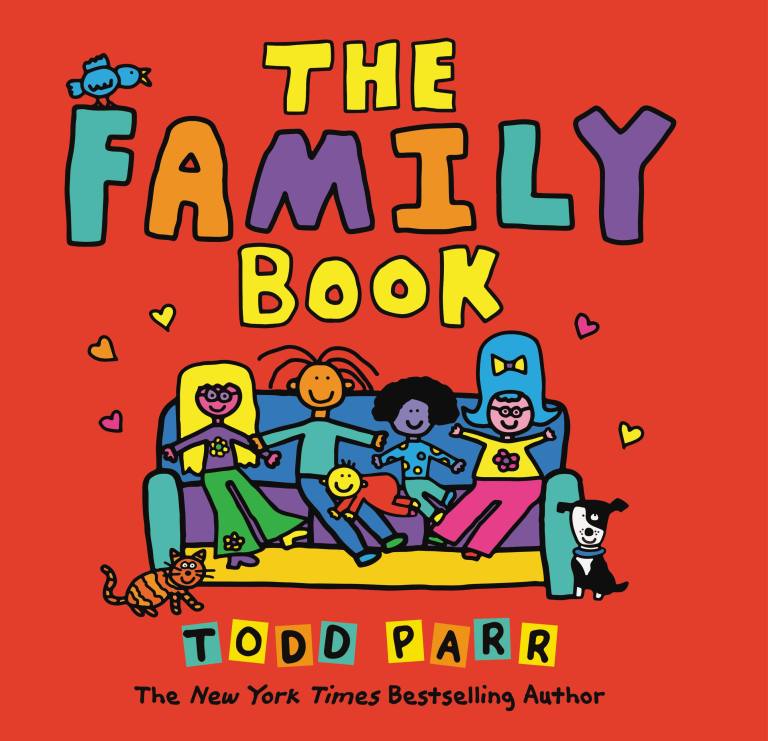
1. The Family Book — Todd Parr
Celebrates many different family structures and helps communicate that families can look different while still providing love and belonging. https://www.toddparr.com/wp-content/uploads/2026/05/9780316738965.jpg?resize=768,741
2. Two Homes — Claire Masurel & Kady MacDonald Denton
Shows a child maintaining loving relationships with both parents while living across two homes. https://images4.penguinrandomhouse.com/cover/9780763619848
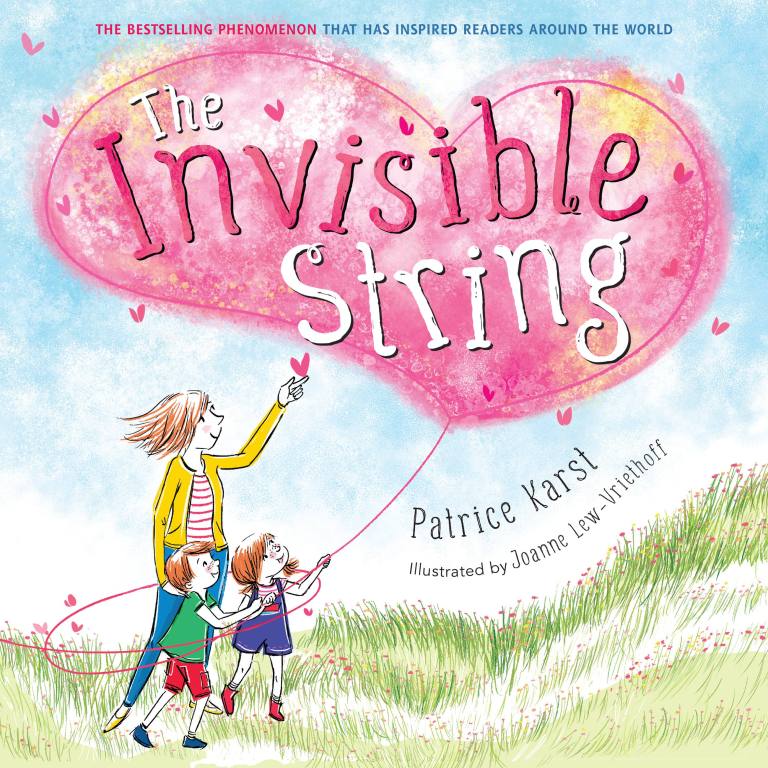
3. The Invisible String — Patrice Karst
Uses the idea of an invisible connection to reassure children that important relationships can continue even when people are physically apart. https://www.hachettebookgroup.com/wp-content/uploads/2026/05/9780316486231.jpg?resize=768,768
4. The Great Big Book of Families — Mary Hoffman & Ros Asquith
Represents different family structures, homes, traditions and everyday experiences. https://www.franceslincolnchildrensbooks.com/titles/mary-hoffman/the-great-big-book-of-families
Four Videos or Educational Programs
1. Sesame Workshop
Selected family resources can help children understand that families can have different structures and circumstances. Parenting Resources, Activities, & Early Childhood Development Support- Sesame Workshop
2. Play School — ABC Kids
Provides stories, songs and experiences that can represent family relationships and different ways of belonging. ABC Kids
3. Bluey — ABC Kids
Can be used to discuss relationships, emotions, family interactions, problem-solving and caring for others.
4. Daniel Tiger's Neighborhood — PBS Kids
Supports children with emotional regulation, relationships and adjusting to change.
These resources can help children recognise that there is no single "normal" family structure. Through books, programs and conversations, children can explore separation, relationships, change and belonging without being asked to disclose private information about their own families.
Critical Message
Family diversity is not itself a developmental risk. The quality, safety and stability of children's relationships matter more than whether their family matches a traditional nuclear-family model.
Create Your Own Website With Webador