


Welcome
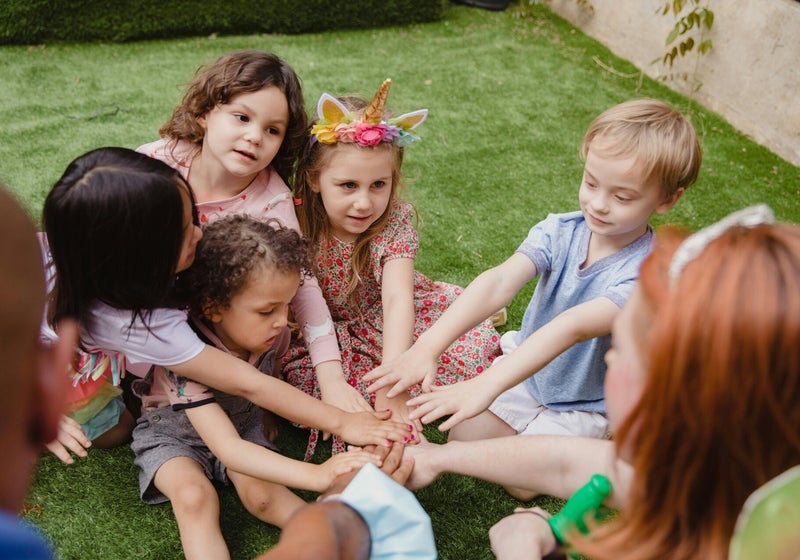
Children grow and learn within diverse families, communities and social environments. Their development, wellbeing, identity and learning are influenced not only by experiences within the home but also by broader economic conditions, social relationships, culture, health, community support and government policies.
This digital portfolio has been created as a professional resource for early childhood educators. It explores five important family and community contexts that may influence children from birth to five years: Economic Contexts, Social Contexts, Cultural and Diversity Contexts, Health and Wellbeing Contexts, and Crisis and Emergency Contexts.
Purpose of the Portfolio
The purpose of this portfolio is to support educators to better understand the diverse circumstances experienced by children and families in contemporary Australian society. Each context examines:
- different family circumstances
- sociological theories and contemporary research
- impacts on children's development, learning, wellbeing and relationships
- Australian policies, strategies and relevant data
- evidence-based teaching and resilience-building strategies
- community and professional partnerships
- practical resources for educators and children.

Economic Contexts
Explore poverty, housing stress and financial hardship, including the experiences of single-parent and low-income families.
Social Contexts
Explore separation, divorce, social isolation and out-of-home care, including foster and kinship-care families.

Cultural and Diversity Contexts
Explore the experiences and strengths of Aboriginal and Torres Strait Islander families, migrant families, refugee families and multilingual communities.

Health and Wellbeing Contexts
Explore parental mental-health difficulties, trauma, grief, substance-use concerns and approaches that support children's emotional wellbeing.

Crisis and Emergency Contexts
Explore natural disasters, family violence, displacement and the role of early childhood services in safety, recovery and resilience.
Why This Matters in Early Childhood Education
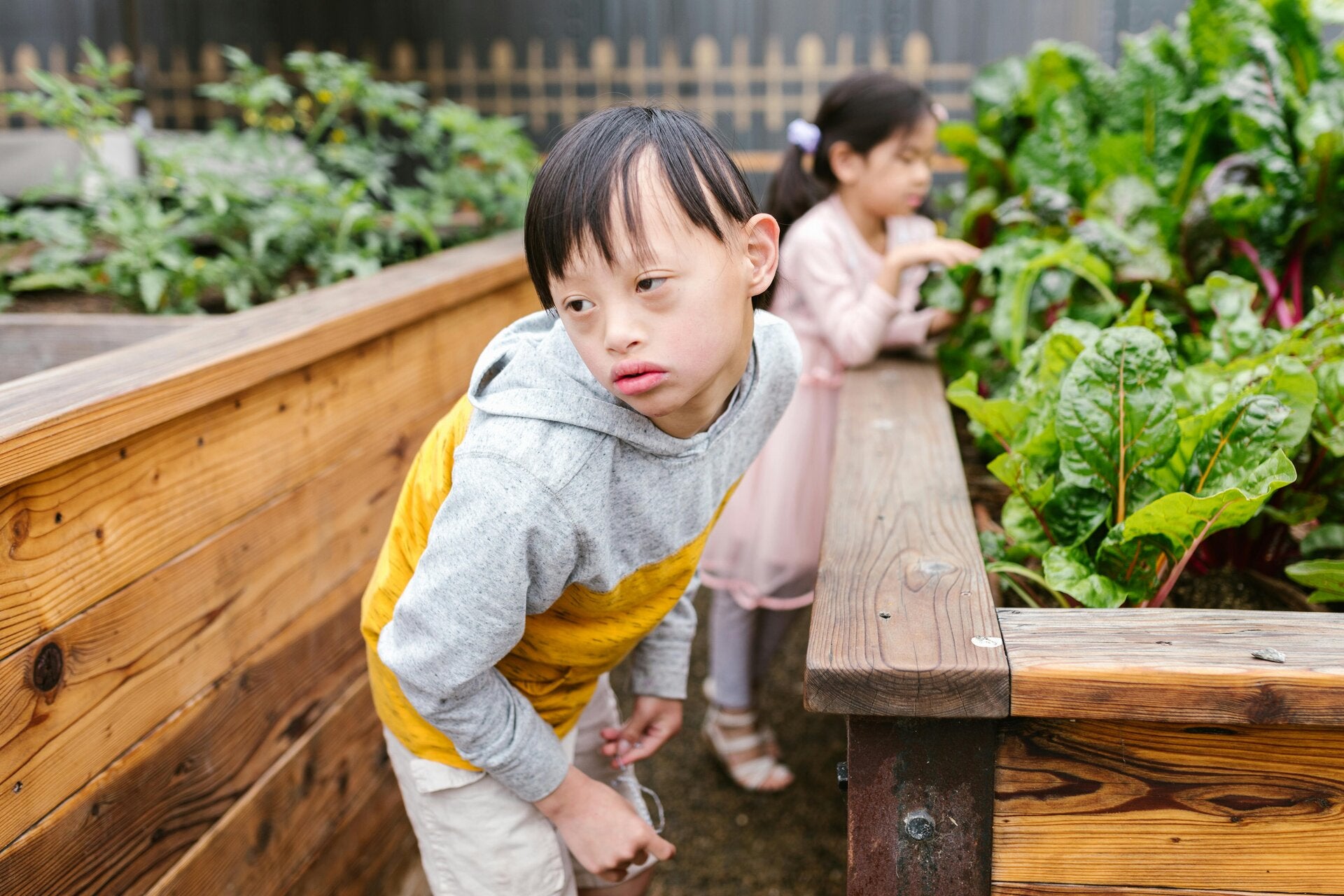
Early childhood educators often develop close and ongoing relationships with children and families. This places them in an important position to notice changes in children's participation and wellbeing, reduce barriers to inclusion, build supportive relationships and connect families with appropriate services.
However, educators should not diagnose families or assume that they understand a family's circumstances. Effective practice requires respectful communication, family participation, confidentiality, cultural responsiveness and collaboration with other professionals.
Positive partnerships with families help educators understand each child’s individual needs, experiences and strengths. By listening to families, communicating respectfully and involving them in decision-making, educators can provide more meaningful and responsive support for children.
Key Message
Every family is different, and every family has strengths. Effective early childhood practice requires educators to understand children's broader social contexts, reduce barriers, value family knowledge and work collaboratively to support children's safety, identity, learning, wellbeing and belonging.

Follow the conversation
Explore the projects and resources behind this personal blog, and join a growing conversation about children, families and communities in contemporary society.
Get in touch
Connect with us
Children with their family and communities
Australia
Swostikapaudel989@gmail.com
Student Id
iko3012142
Create Your Own Website With Webador